“Be patient towards all that is unresolved in your heart and try to love the questions themselves like locked rooms, like books written in a foreign tongue. Do not now strive to uncover answers: they cannot be given you because you have not been able to live them. And what matters is to live everything. Live the questions for now. Perhaps then you will gradually, without noticing it, live your way into the answer, one distant day in the future.”
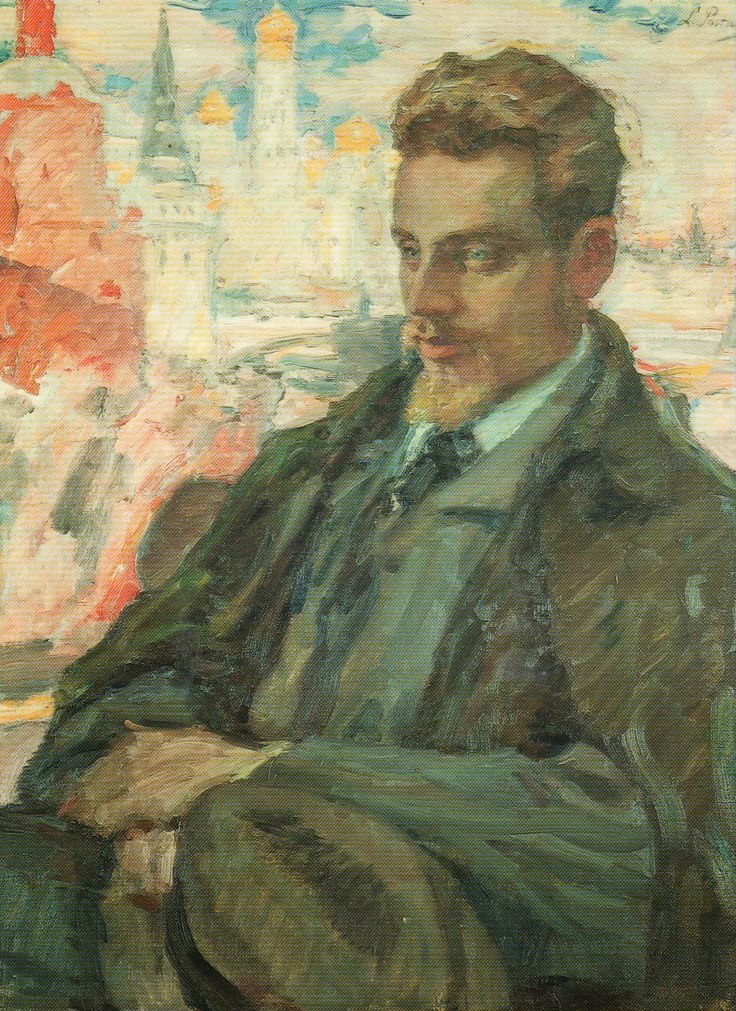
Rainer Maria Rilke, written in a July 16, 1903 letter to Franz Xaver Kappus, a 19-year-old officer cadet and aspiring poet. Between 1902 and 1908 Rilke wrote many letters to Kappus which were later published as ‘Letters to a Young Poet’ (1929).
I have ‘known’ about Rilke for many years, but not really ‘met’ him. I think it is very significant that in these early days of retirement two extracts from Rilke have leapt out of the pages of books I have been reading, as if nudging their way into my consciousness, to offer me direction.
The second quote comes from what I now know is a famous letter to his Polish translator, Witold Von Hulewicz, in 1925 in which he says: “…… our task is to stamp this provisional, perishing earth into ourselves so deeply, so painfully and passionately, that its being may rise again, “invisibly,” in us. We are the bees of the Invisible. We wildly gather the honey of the invisible, in order to store in the great golden hive of the Invisible.”
After 18 years when the culmination of each week is a reflection on a passage of scripture that has lived alongside my doing and thinking for seven days, it seems a delightful new way to live, just following the nudges. I can leave the hive of all those accountabilities behind and buzz towards any nectar I feel drawn to, linger awhile, and then buzz onward. A solitary bee, perhaps. But not alone.
 GEORGE'S ECKE